By recognising the ecological role of fungi, their medical potential, and their agricultural benefits, we empower students to be environmentally aware and to contribute innovatively to a sustainable future.
August 15, 2023

FFungi Staff
FFungi Volunteer
Former Fungi Foundation's Education Lead
In my role as an educator, I have always believed that fostering a deeper connection with nature is fundamental to our pupils’ growth. Nature’s wonders are abundant, and one of its most undervalued realms is that of fungi. I am deeply concerned about the lack of education about fungi in the United States school system: it is disheartening to realise that, while animals and plants are widely covered in our curricula, fungi are relegated to the shadows with only a minimal mention in the Next Generation Science Standards ("Next Generation Science Standards" - NGSS) — just once, compared with 81 times for animals and 86 times for plants!
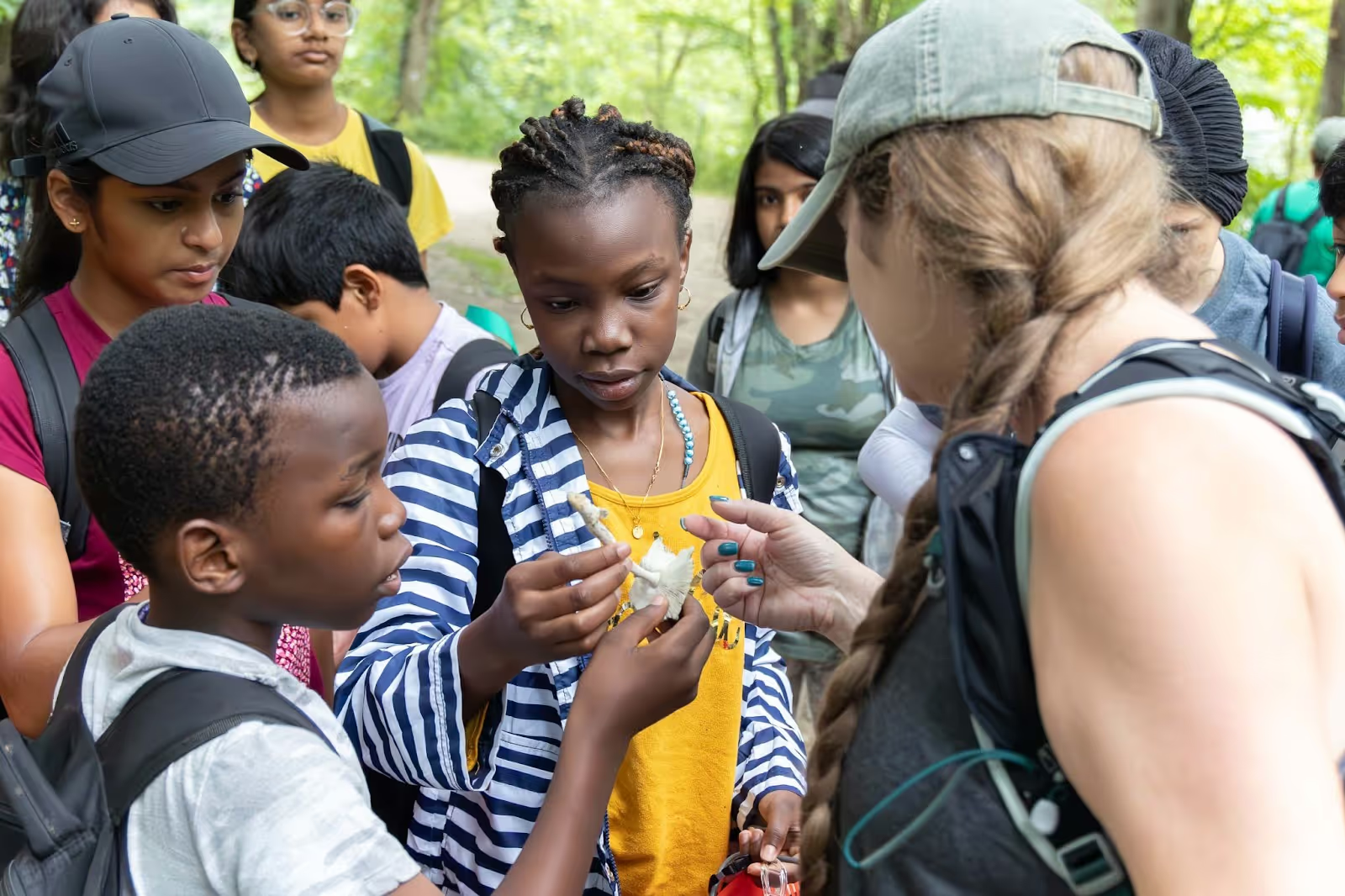
Understanding the importance of fungi is not solely a strictly academic matter, but an integral part of understanding the complex fabric of nature as a whole. By incorporating fungal education into our school curricula, we can nurture our pupils’ curious minds and enlighten them about the wonders of the natural world of which they are a part.
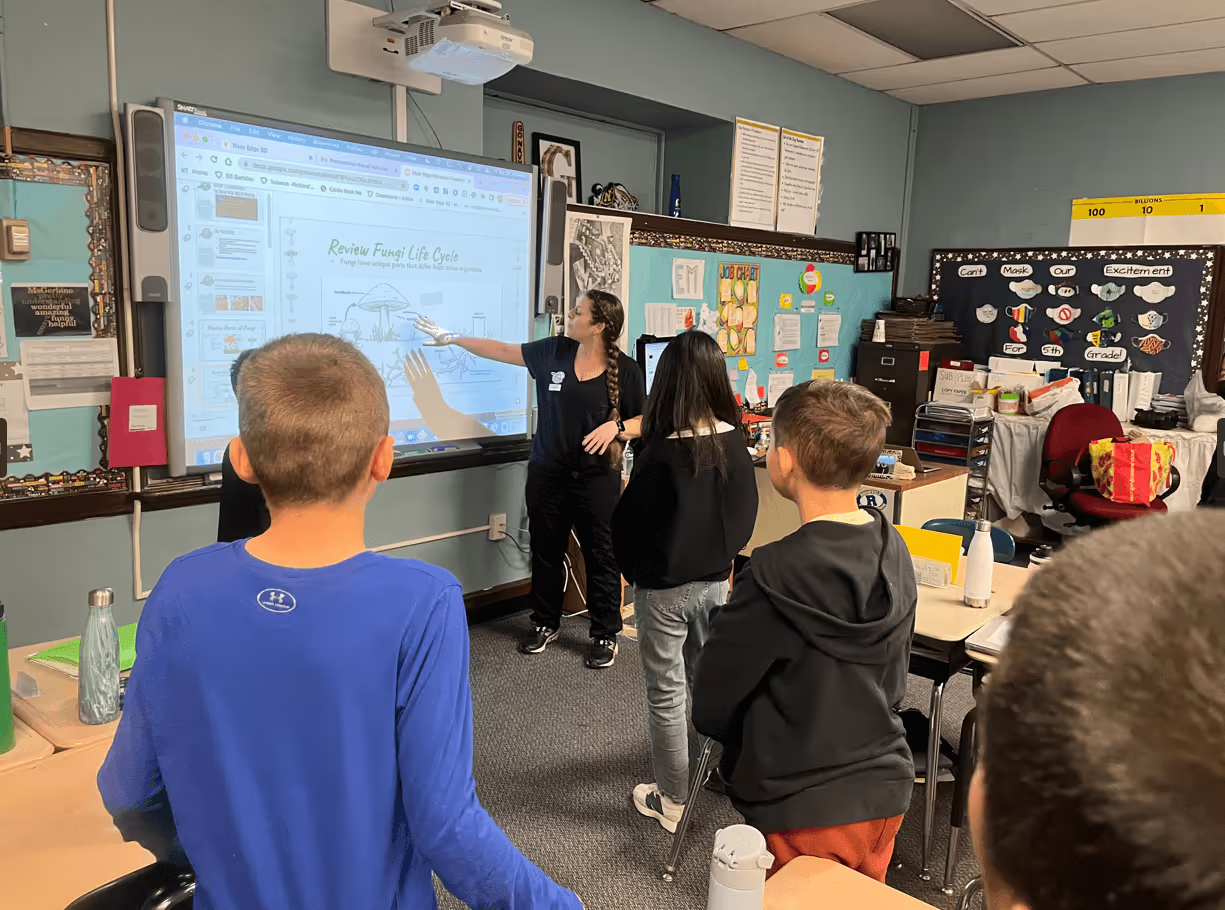
Fungi, which encompass a wide variety of organisms—from mushrooms and yeasts to moulds and lichens—are nature’s recyclers. They quietly break down organic matter and return essential nutrients to the soil, thereby enabling plants to thrive. In addition, fungi form essential symbiotic relationships with plants, known as mycorrhizal associations, which enhance their ability to absorb water and nutrients. This close interconnection highlights the importance of including the study of fungi within the context of biology and ecology.
Beyond their ecological importance, fungi offer enormous potential for medical and industrial applications. Many life-saving medicines, including antibiotics such as penicillin, come from fungi. By exposing students to the world of fungi, we can spark their curiosity about the field of biotechnology and show how these remarkable organisms can be harnessed for the benefit of human health and various industries.
Our planet faces a myriad of environmental challenges that demand urgent attention. By incorporating knowledge about fungi into our curriculum, pupils can better understand the fundamental role these organisms play in maintaining ecological balance. With this knowledge, students will be better equipped to appreciate and contribute to conservation efforts, thereby forming a generation of responsible stewards of our planet’s fragile ecosystems.
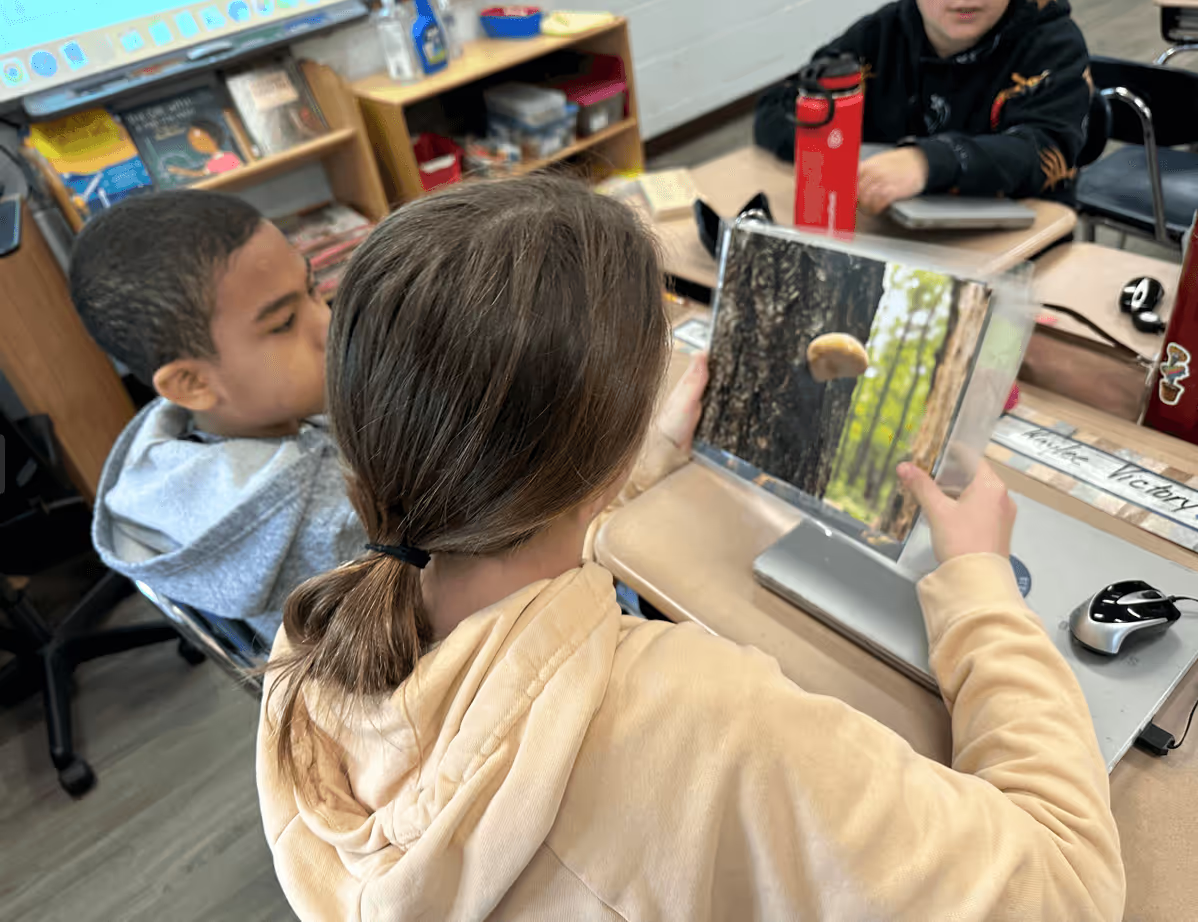
Moreover, the agricultural sector can benefit enormously from a deeper understanding of the fungi kingdom. Mycorrhizal fungi, for example, play a fundamental role in enhancing plant growth and nutrient uptake. By educating our students about this symbiotic relationship, we can promote sustainable agricultural practices that improve crop yields and reduce reliance on chemical fertilisers.
Moreover, education about fungi can spark our students’ scientific curiosity. As educators, we have the privilege of introducing them to the fascinating fungal world, nurturing a sense of wonder about the natural world. This, in turn, can inspire many young minds to continue their studies in the fields of science, technology, engineering and mathematics (STEM), contributing to the advancement of knowledge and innovation.
As an educator, I firmly believe that integrating studies on funga into our school curricula is not only a worthy cause, but a necessity. It is a fundamental step towards reducing the gap in our understanding of the natural world and opening up a world of ecological, medical and industrial possibilities.
Empowering our students with fungal knowledge will enable them to become environmentally conscious individuals, explorers of scientific advances, and contributors to sustainable solutions. Let us unearth together the hidden kingdom of fungi, recognise its importance, and encourage its study in order to achieve a better and more sustainable future for all.
Text translated by Catherine Euale, Volunteer for Fundación Fungi’s Education Programme.


.avif)