So far this year, the Toxicology Information Centre of the Catholic University (CITUC) has already handled 28 cases, 12 of which occurred in April alone. By comparison, by the same date last year, a total of 18 cases had been reported, with only 4 in April.
May 20, 2025

FFungi Staff
Director of Communications
FFungi Volunteer
Autumn brings with it the appearance of a great diversity of mushrooms in the central, southern, and far-southern zones of our country, attracting more and more foragers each year. Unfortunately, the number of people seeking consultation for mushroom poisoning is also increasing.
Hasta ahora este año, laToxicology Information Centre of the Catholic University (CITUC)has already dealt with 28 cases of mushroom ingestion, 12 of which occurred in April alone. By comparison, by the same date last year, a total of 18 cases had been reported and only 4 in April, suggesting a worrying increase.
“This year we have noticed a significant increase in the number of mushroom ingestion cases, so we are issuing a strong call for prevention. Whether due to lack of knowledge or overconfidence, many people venture out to collect mushrooms for consumption, resulting in poisonings that affect not only adult patients but also children,” says Marli Bettini, Deputy Director of CITUC.
The symptoms recorded range from abdominal pain, diarrhoea, dizziness/vertigo, vomiting, an altered state of consciousness, hallucinations and headaches to kidney failure.
“One of the main problems is that there are some toxic species that resemble edible species. They are similar in shape and colour, and even experienced foragers can be confused. The only way to safely collect and consume mushrooms is with in-depth knowledge, or accompanied by expert and trustworthy people,” says Giuliana Furci, Executive Director of Fundación Fungi and an adviser to CITUC for 20 years.
One example is the mushroom. *Clitocybe nuda* (*Lepista nuda*),a species recognised as edible. However, prompted by cases of poisoning after consuming this mushroom, the Fundación Fungi team studied the questionable “Lepista/Clitocybe” in Chile, with the support of Dr Bryn Dentinger from the University of Utah in the United States, concluding that there is another, as yet unidentified,Lepistaspecies that contains mycotoxins and can only be differentiated through molecular analysis.
The recommendation is clear: People must refrain from consumingLepista nudauntil we have more information about the species with which it is being confused. Furthermore, those who lack specialist knowledge must be particularly cautious when collecting any type of wild mushroom. Experts also advise against consuming mushrooms of unknown origin: “When in doubt, abstain.”
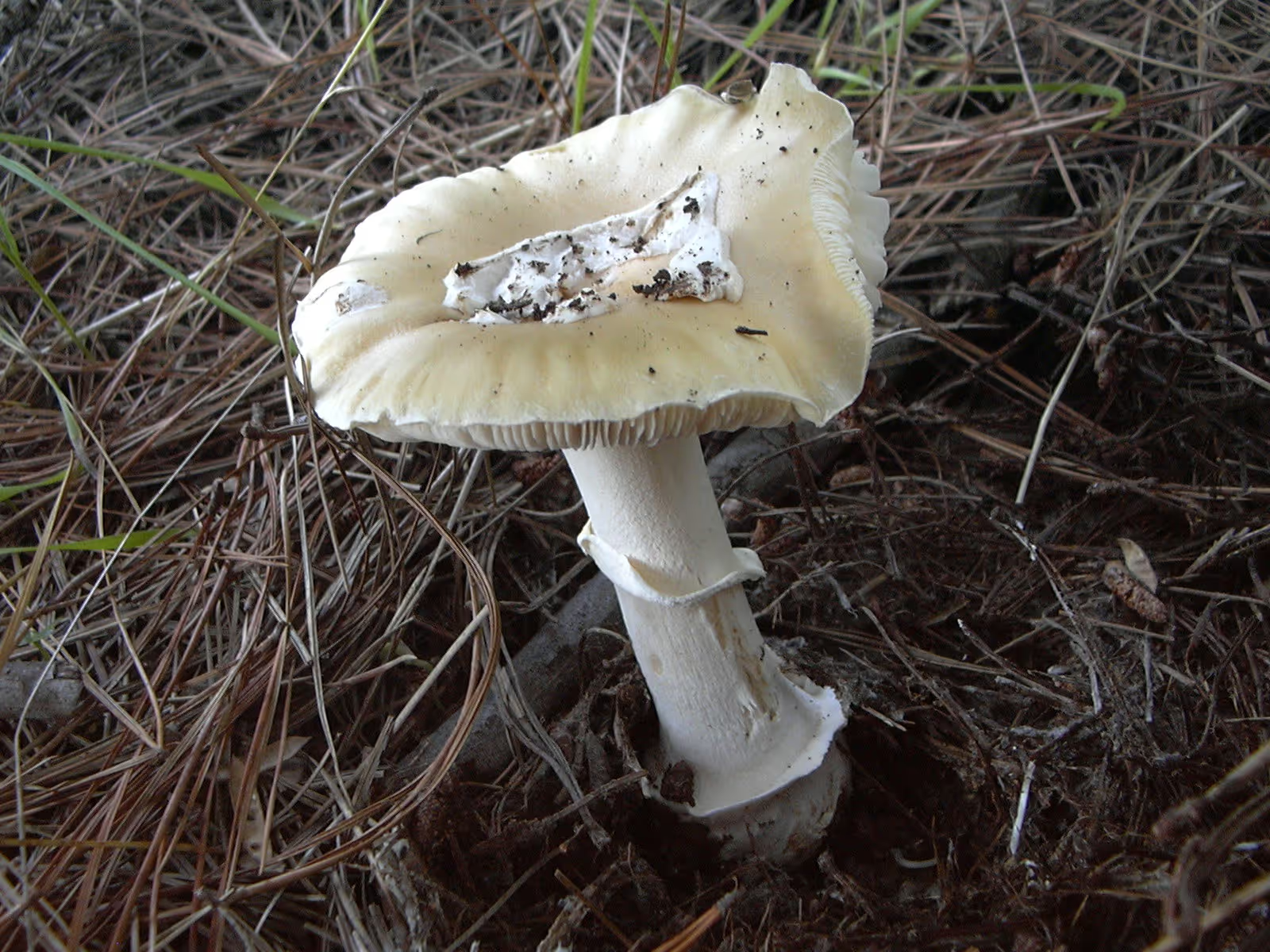
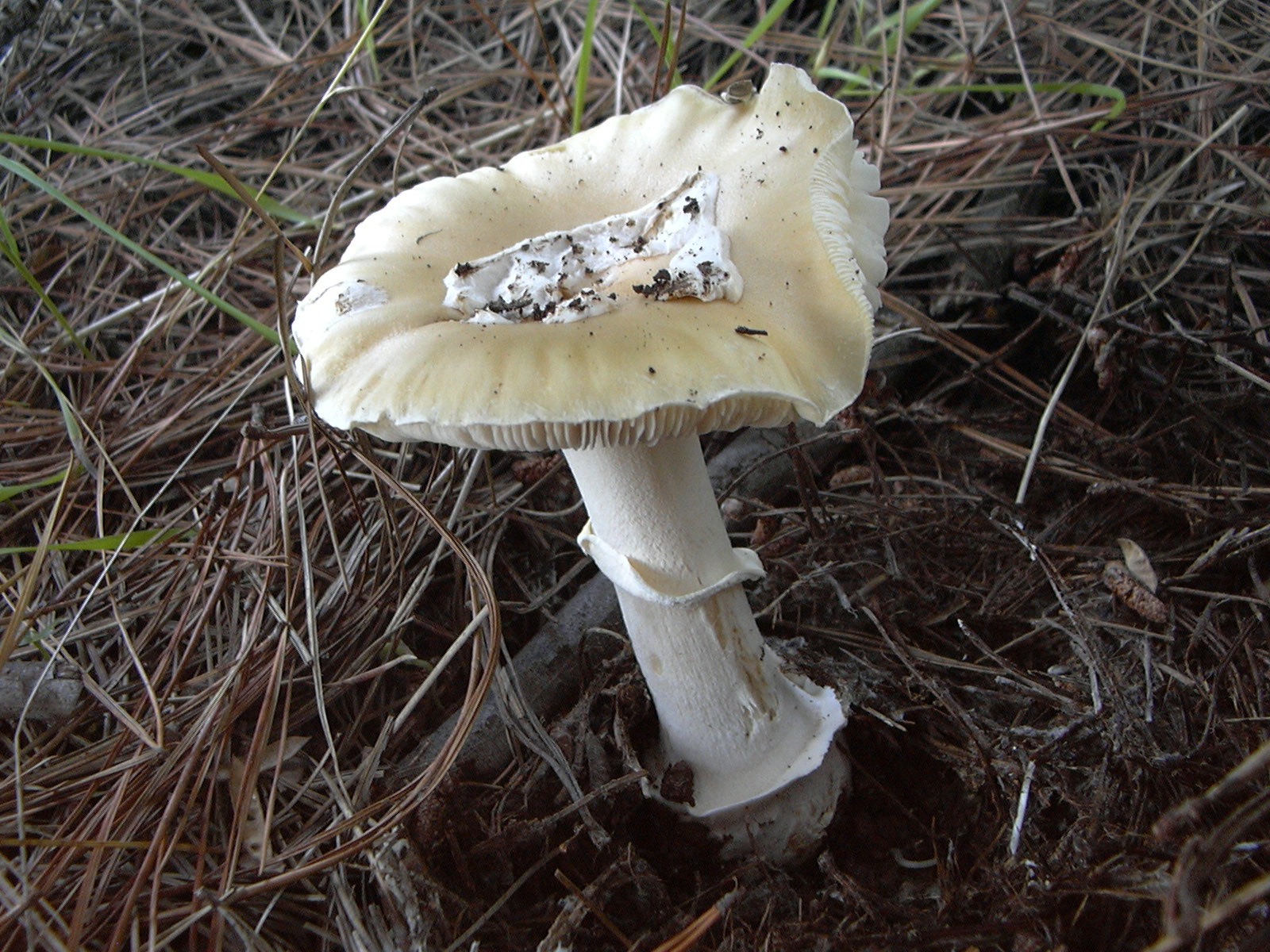
It is worth remembering that species such asAmanita phalloides…, which can even cause death, inhabit Chile, as was the case for two people in 2024.
“If a person eats wild mushrooms and then develops symptoms, it is essential to seek advice immediately, either by calling the CITUC number or going to the nearest emergency centre. It is also important to keep a sample of the mushroom, if possible, to help with identification; our Centre has an expert who supports us in identifying the species involved, which facilitates diagnosis and allows timely and appropriate treatment for each patient,” says the Deputy Director of CITUC.
We urge everyone to act quickly if poisoning is suspected, especially if it involves children or older people. In an emergency, it is recommended to callCITUCat 22 635 3800, available 24 hours a day, every day of the year.


.avif)